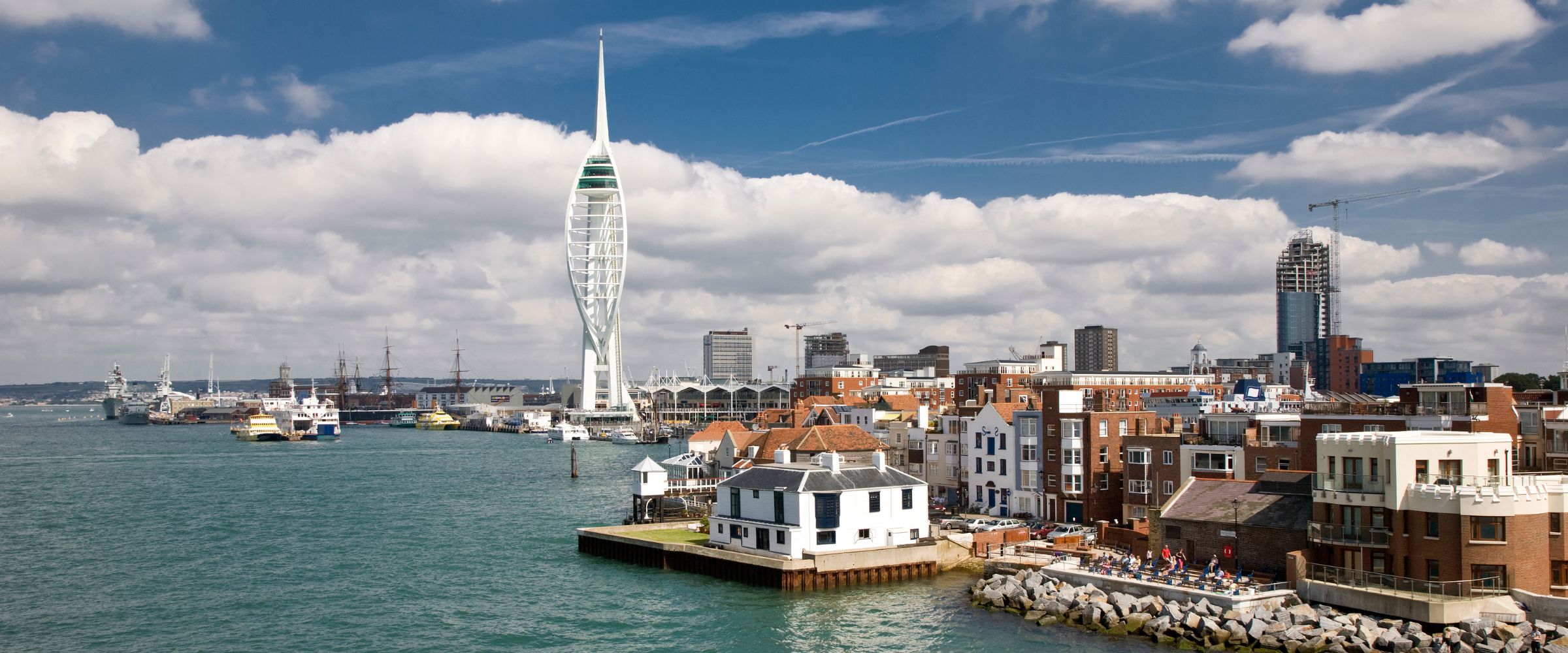
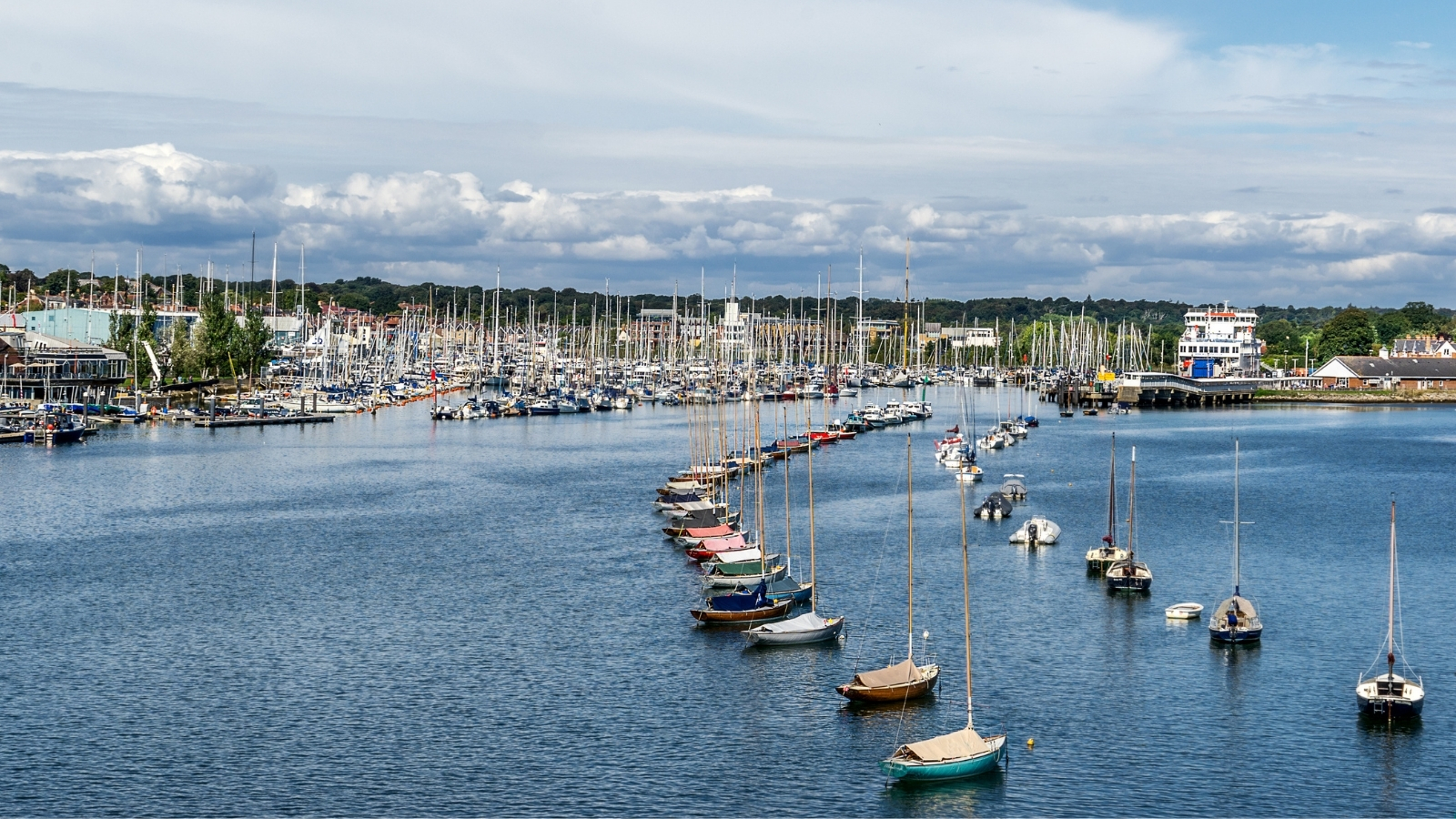
Yachts moored along a curved pontoon in a busy marina, with a ferry at the quay.

Marina Pontoon Replacement Programme, Hampshire

Client: Northhaven Harbour AuthorityLymington, Hampshire2023–2024Harbour & Marina Infrastructure, Structural Surveys

Northhaven Harbour Authority appointed Ocean Leap Solutions to survey and assess their ageing pontoon system serving 350 leisure berths in the Town Quay marina. The existing timber-framed pontoons had been in service for over 25 years and were showing significant signs of structural deterioration.

We carried out a comprehensive above-water and dive-supported inspection programme, including material sampling and laboratory testing. Our condition assessment identified critical structural deficiencies in 40% of the pontoon frames, along with widespread fastener corrosion and flotation degradation.

Based on our findings, we developed a phased replacement strategy that allowed the harbour to maintain operational berth capacity throughout the works. We prepared detailed design specifications for the replacement pontoon system, tender documentation, and provided technical support during contractor procurement. The £2.8 million programme was completed on schedule in spring 2024.

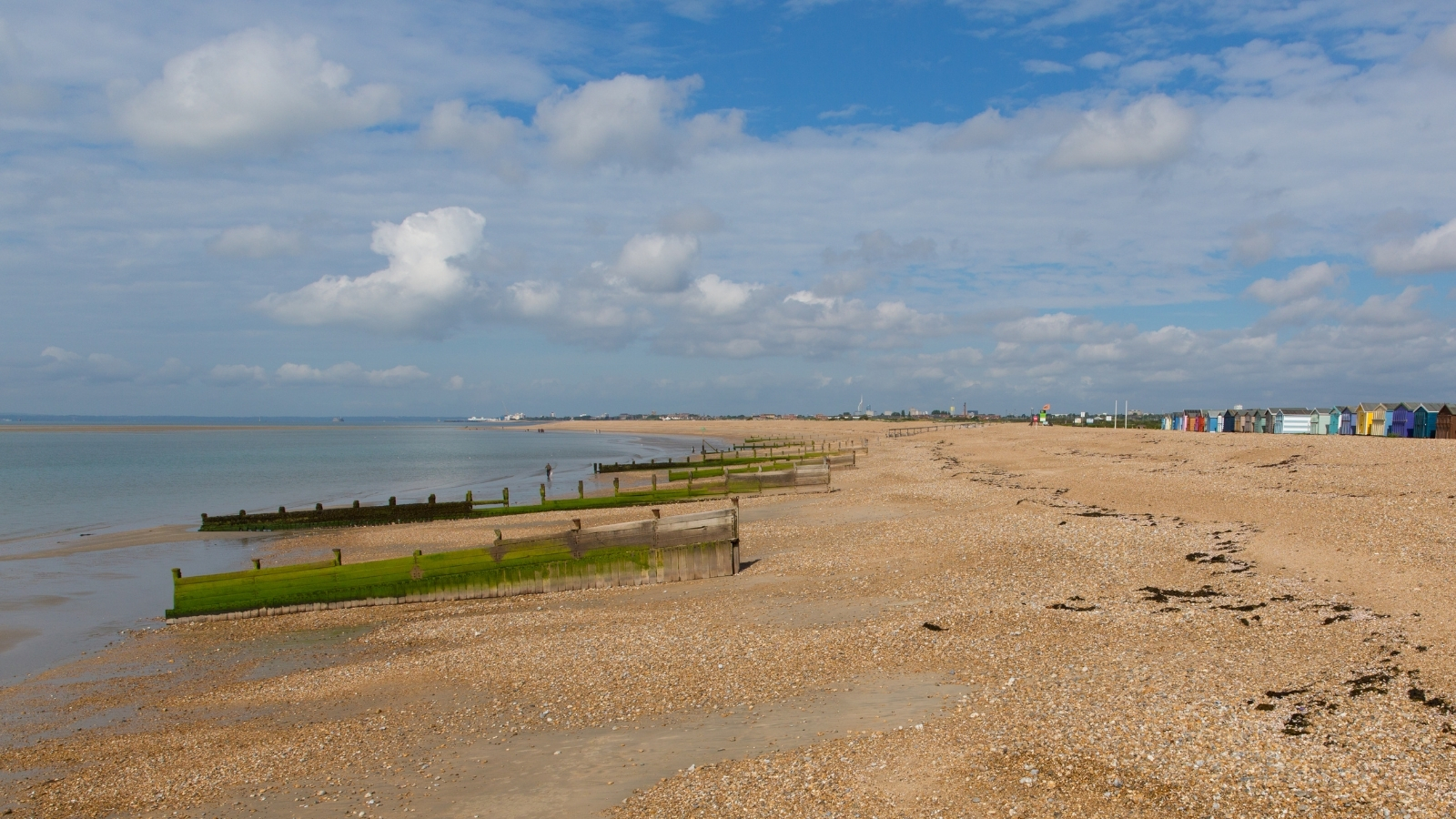
Timber groynes running down a wide shingle beach, with a row of beach huts along the shore.

Coastal Erosion Defence Feasibility Study, Hampshire

Client: Halcombe Borough CouncilHayling Island, Hampshire2022–2023Coastal Defence, Flood Risk

Halcombe Borough Council commissioned us to assess erosion risk along a 1.2km frontage on the south-east coast of Hayling Island, where residential properties were at increasing risk from coastal retreat. The existing timber groyne field had reached the end of its effective life, and beach levels had dropped significantly.

Our study combined analysis of historical shoreline change data, nearshore wave modelling, and sediment transport assessment to quantify future erosion risk under current and climate-change-adjusted scenarios. We evaluated five defence options ranging from managed realignment to a full rock armour revetment scheme.

The recommended option — a hybrid scheme combining rock groynes with beach recycling — was costed at £4.2 million and provided a benefit-cost ratio of 3.8:1, making it eligible for Flood and Coastal Erosion Risk Management grant funding. Our feasibility study formed the basis of the council’s successful partnership funding application.

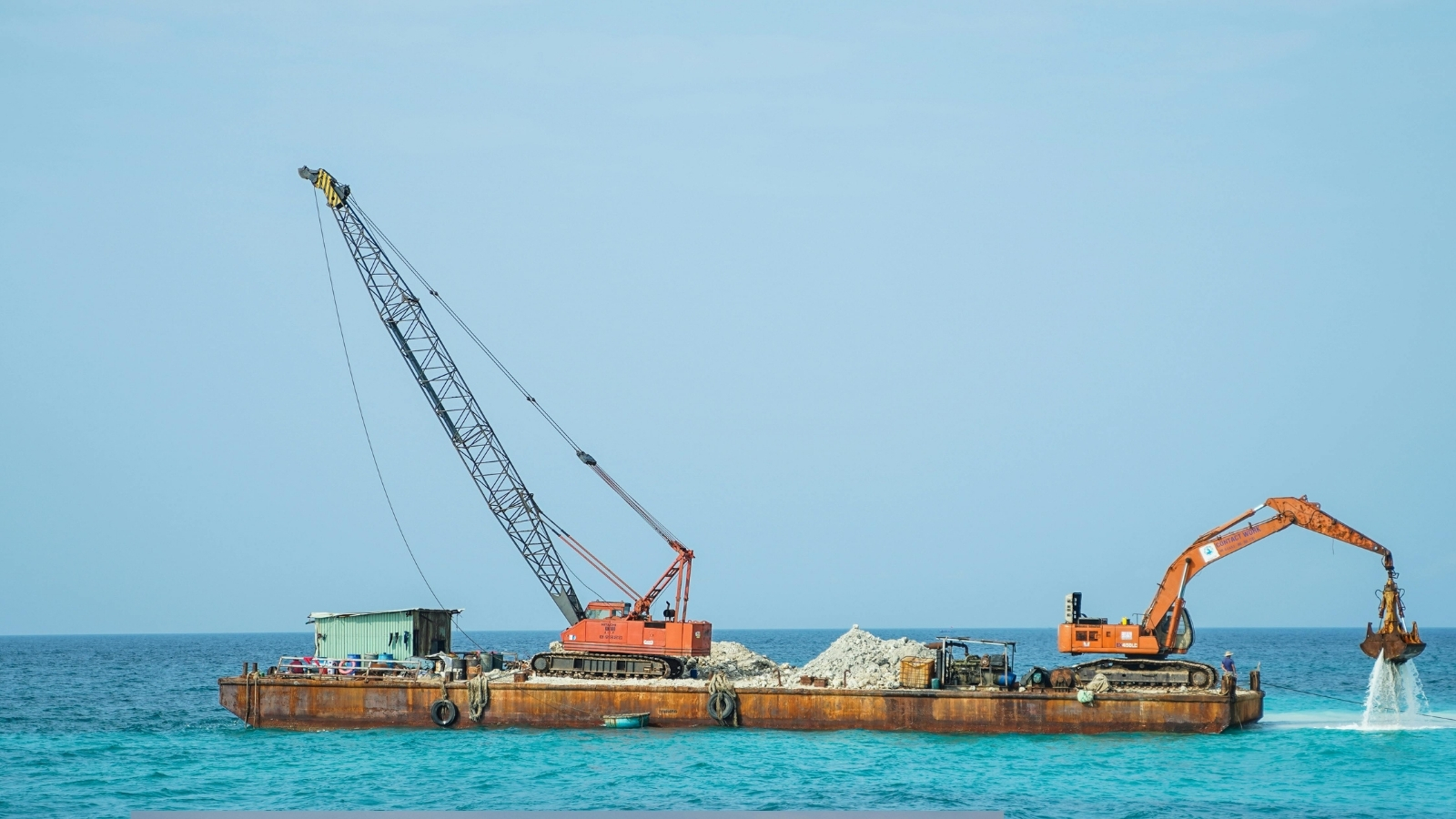
A crane and excavator working from a barge, with the bucket dripping water back into the sea.

Environmental Compliance for Maintenance Dredging, West Sussex

Client: Reedwater Harbour ConservancyChichester Harbour, West Sussex2024Environmental Compliance, Marine Planning

Reedwater Harbour Conservancy required marine licensing and environmental assessment support for a maintenance dredging campaign across three navigation channels within the harbour, which sits within both a Special Area of Conservation and a Site of Special Scientific Interest.

We prepared the marine licence application, Water Framework Directive assessment, and a Habitats Regulations Assessment addressing potential impacts on protected habitats including seagrass beds and overwintering bird populations. Our work involved close coordination with Fenmere Nature Partnership and the South Coast Licensing Office to agree mitigation measures and seasonal working restrictions.

The licence was granted within the target timeframe, and the dredging programme proceeded without regulatory delay — a significant achievement given the sensitivity of the site.

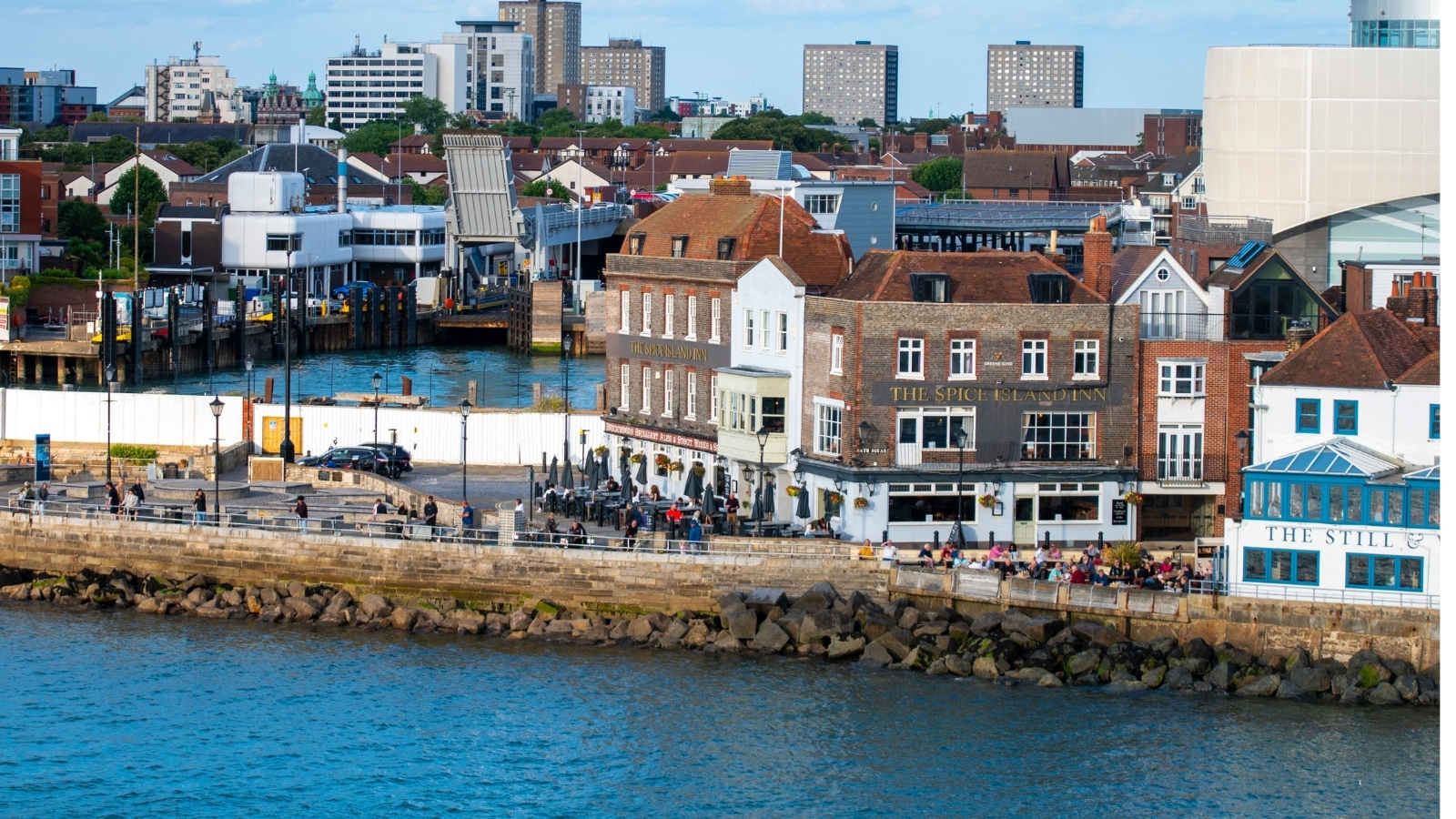
A stone quay wall and rock armour along a waterfront, with the Spice Island Inn behind.

Quay Wall Structural Assessment, Hampshire

Client: Caldergate PortPortsmouth, Hampshire2023Structural Surveys, Harbour Infrastructure

Caldergate Port engaged Ocean Leap Solutions to carry out a structural condition assessment of three quay wall sections totalling 480 linear metres. The gravity-wall structures, constructed in the 1970s, are subject to significant vessel berthing loads from cross-Channel ferry operations and required assessment to inform a long-term maintenance investment plan.

Our programme included a dive-supported below-water survey of the toe and face of the wall, above-water visual inspection, concrete core sampling, and carbonation depth testing. We identified localised concrete spalling and reinforcement corrosion at the tidal splash zone, along with joint sealant failure and drainage blockages.

We delivered a prioritised repair and maintenance schedule with cost estimates over 5, 10, and 25-year horizons, enabling the port to plan capital expenditure with confidence. Our report also identified two sections where monitoring would be more cost-effective than immediate intervention, saving the client approximately £400,000 in deferred works.